EGF vs Retinol vs Peptides. Which One Does What and Do You Need All Three
Skincare these days feels like signing up for a group project with strangers. Everyone is promising results. Everyone has a job to do. Half of them are arguing in the corner. And you, the innocent consumer, are stuck wondering why your skin is confused and slightly offended.
Let’s break down three of the most hyped actives in beauty. EGF, retinol, and peptides. They are not interchangeable. They are not rivals. They sit at completely different tables in the cafeteria of skin science. Understanding what each one actually does is the difference between a routine that works and a routine that stages a quiet mutiny.
Consider this your translator.
EGF. The CEO of Skin Renewal
EGF stands for Epidermal Growth Factor, which sounds intense, but stay with me. These are tiny messenger proteins that tell your skin cells to behave like they used to. Think of them as the managers who keep the team on task, in a good way, not a performative meeting at 4 p.m. on a Friday way.
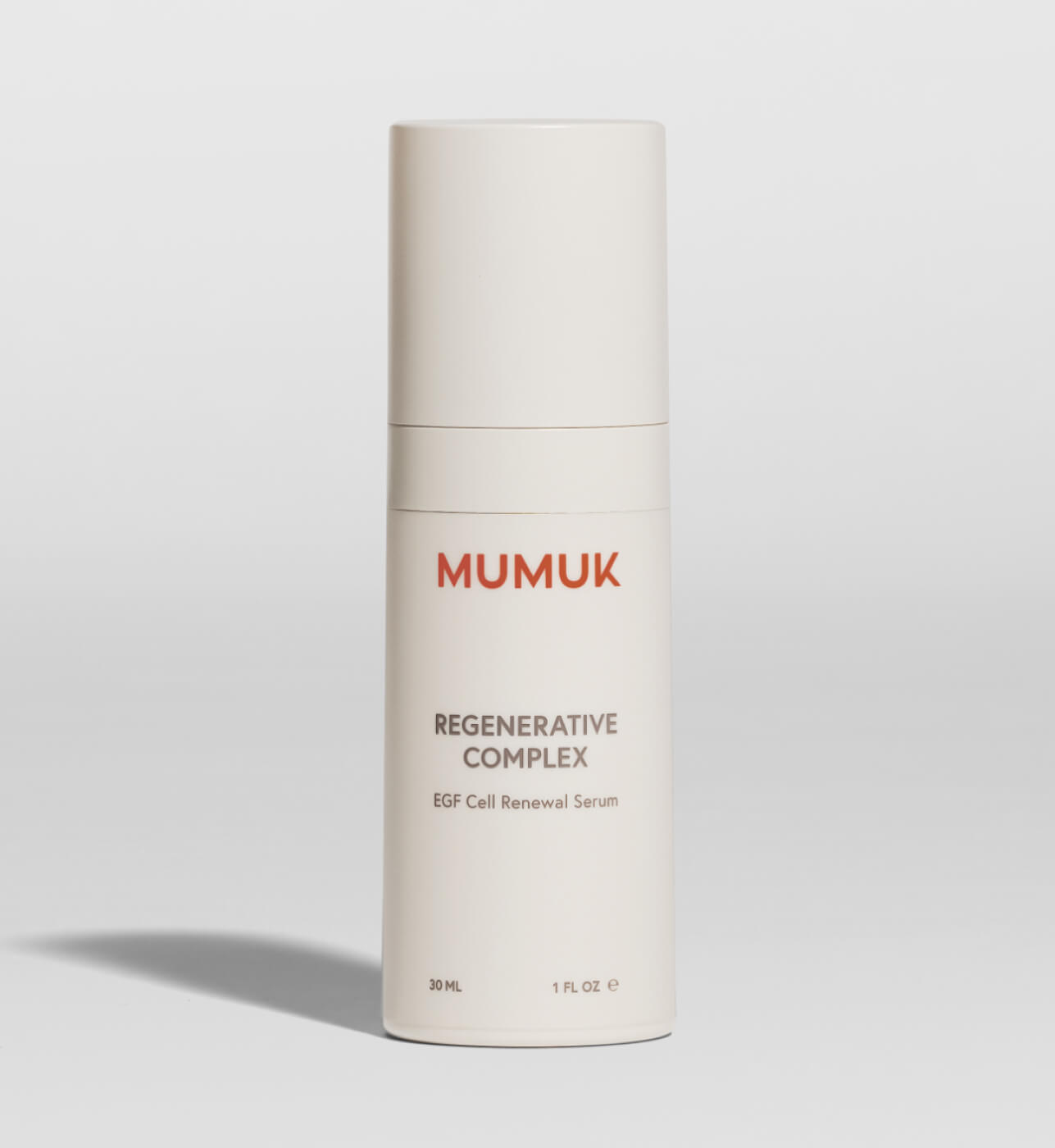
MUMUK uses a bioengineered EGF analog. That means it is created safely in a controlled lab environment, not sourced from humans. It is designed to be stable, consistent, and effective. Many of the EGF serums you see at luxury counters run more than three hundred dollars because the tech behind them is complex and expensive. Ours delivers that level of potency without the hundred dollar tip.
What EGF actually does.
-
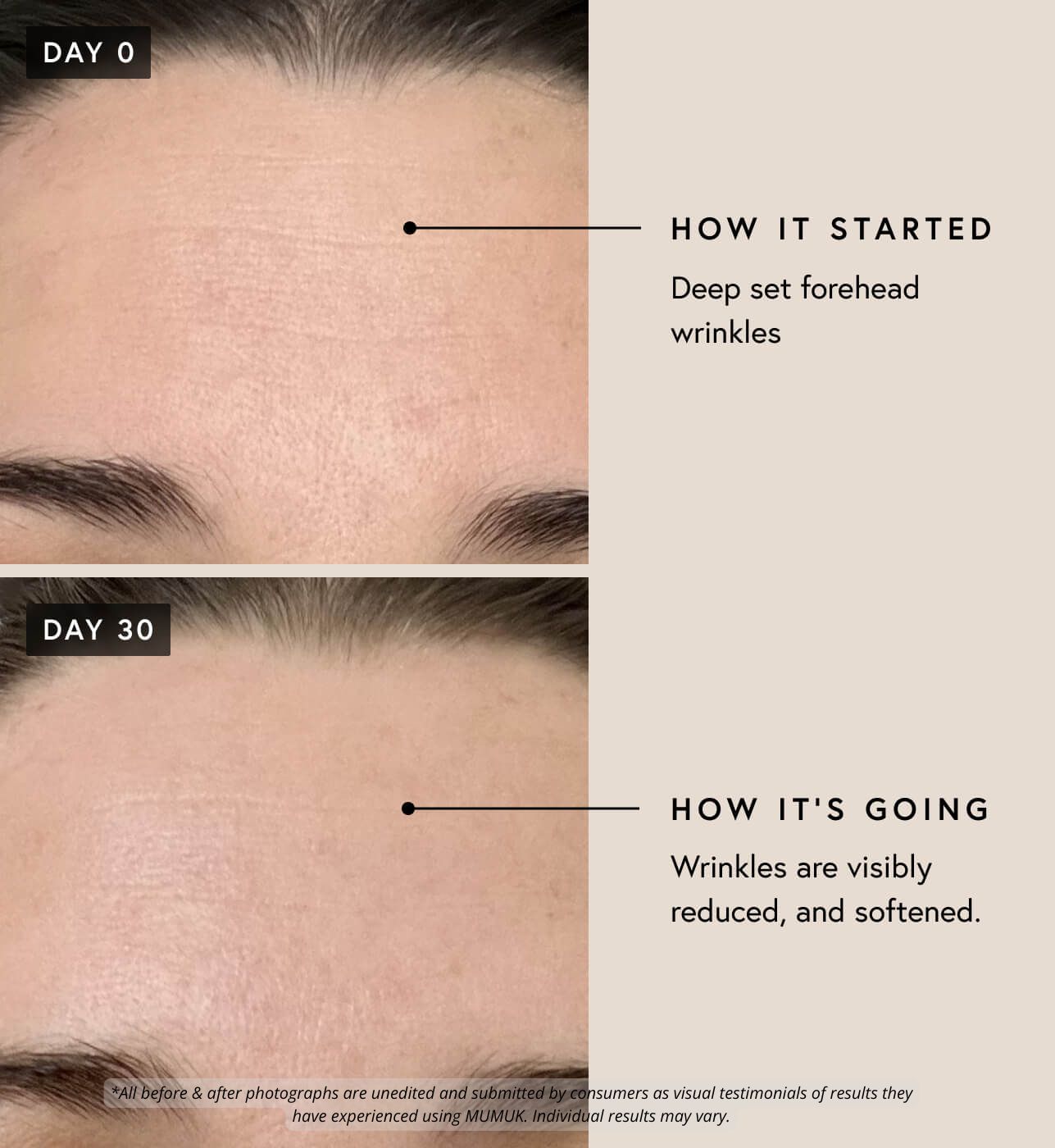
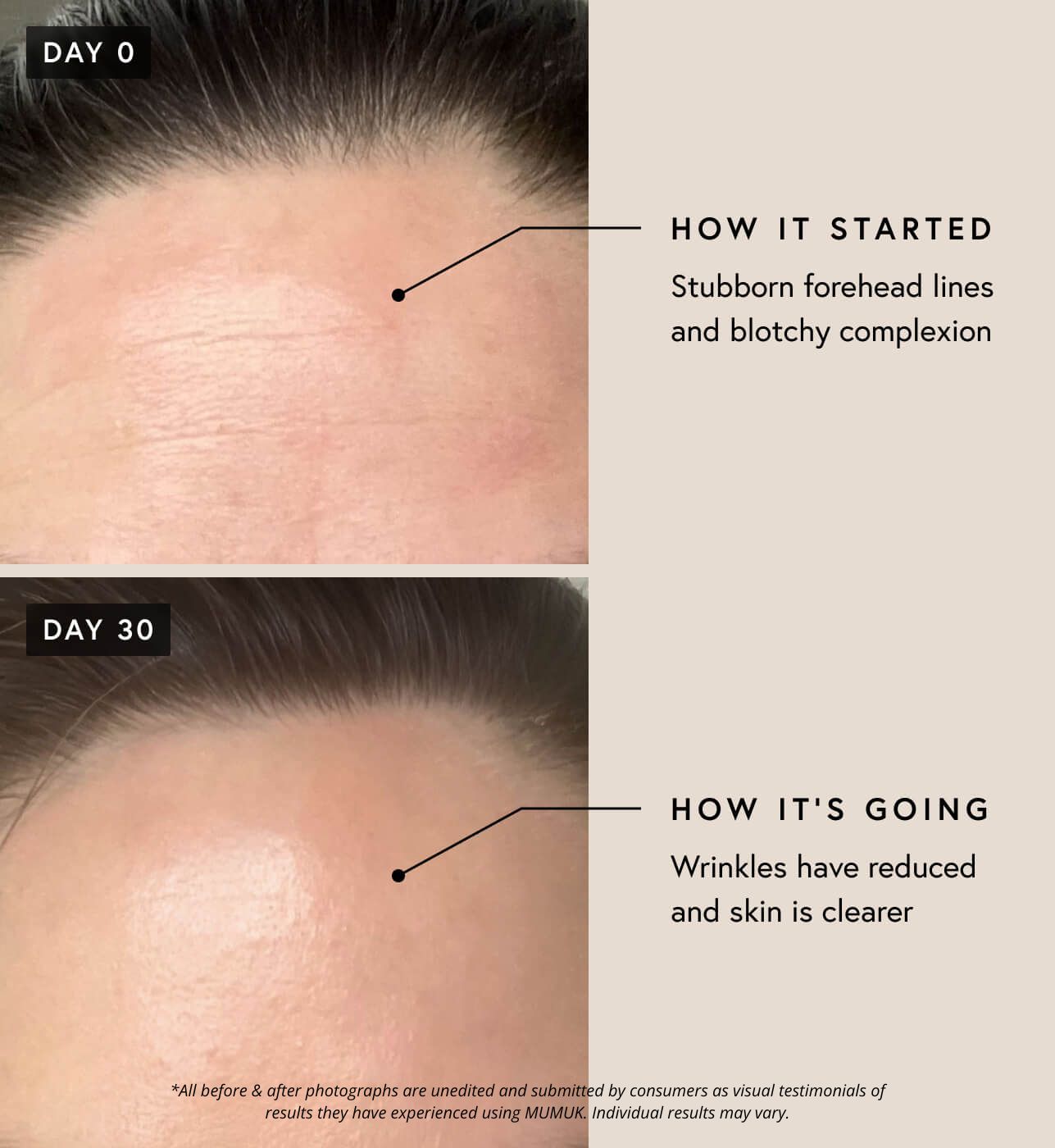
Encourages smoother texture.
-
Supports stronger barrier function.
-
Helps skin look plumper and more resilient over time.
Most importantly, EGF does not exfoliate. It communicates. It is the diplomat in your routine, not the drill sergeant.
Retinol. The Classic Overachiever With a Temper
Retinol is the ingredient that refuses to be ignored. A vitamin A derivative with decades of research, it boosts collagen production and speeds up cell turnover. It is powerful and proven, which is why dermatologists love it and also why half the internet is busy crying into their moisturizer.
Retinol works by pushing your skin to do more, faster. Sometimes too fast. Irritation, redness, dryness, and barrier disruption show up like uninvited guests. Retinol is also not pregnancy safe, which makes it a no go for a big portion of the population.
Here is the simple truth. Retinol forces your skin. EGF teaches your skin.
They deliver different types of results. Retinol accelerates renewal. EGF supports renewal and helps skin rebuild itself in a healthier way.
Peptides. The Overachievers Who Hold Everything Together
Peptides are short chains of amino acids, basically the building blocks of proteins like collagen and elastin. They behave like tiny messengers with big opinions. But here is the important distinction. Peptides are not true regenerative ingredients. They do not tell cells to renew the way EGF does. They are not tiny EGF cousins.
What they actually do is set the stage so regeneration can happen more effectively. When peptides show up to work, the whole environment becomes more supportive.
Two types matter most here.
-
Signal peptides. They nudge the skin to make more collagen, which helps with firmness and structure.
-
Neuropeptides. They help soften the look of expression lines by calming the communication that creates deep creases over time.
Their superpower is reinforcement. They strengthen the scaffolding, support the barrier, and keep everything calm so the real regenerative actives, like EGF, can do their best work. Peptides will not regenerate your skin on their own, but they absolutely help your skin function more efficiently.
In other words, they are the reliable coworkers who make the whole operation run smoothly.
Can You Use All Three Together
Short answer. Yes, if your skin tolerates it. Long answer. Be strategic because only one of these ingredients behaves like a gentleman.
EGF works well with almost everything because it does not irritate or exfoliate. Peptides are supportive and get along with most formulas. Retinol is the diva here. It requires spacing, cushioning hydration, and a gentle hand.
Simple pairing scenarios.
-
Sensitive or reactive skin. EGF plus peptides is your best friend. Skip retinol until your barrier is thriving.
-
The results without the drama routine. EGF in the morning, retinol at night. Peptides anytime.
-
Deep lines and texture concerns. All three can work together if you introduce retinol slowly and keep your barrier well fed.
The Honest Truth. You Probably Do Not Need All Three
Most people are overloading their routines, throwing actives together and hoping for the best. The fastest way to inflammation is using everything at once. Regeneration is not a race. It is a long term investment in how your skin functions, repairs, and ages.
EGF and peptides alone can accomplish a shocking amount. Smoother texture, improved firmness, stronger barrier, better resilience. Retinol is helpful, but not always essential, especially for sensitive skin or anyone who is pregnant or breastfeeding.
The goal is not maximum chaos. The goal is skin that looks healthy and feels happy.
If You Want to Start With the Supportive Route
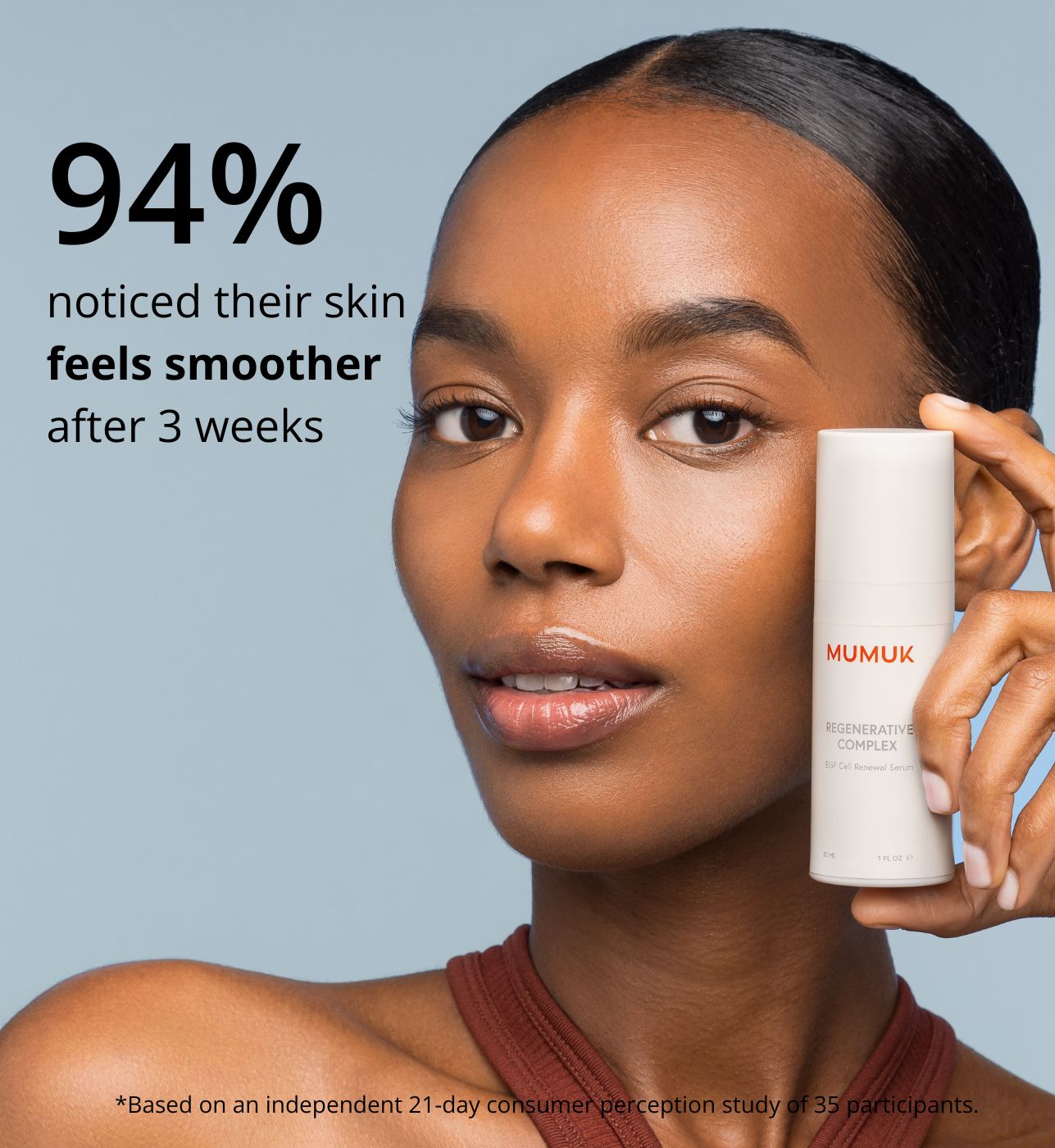
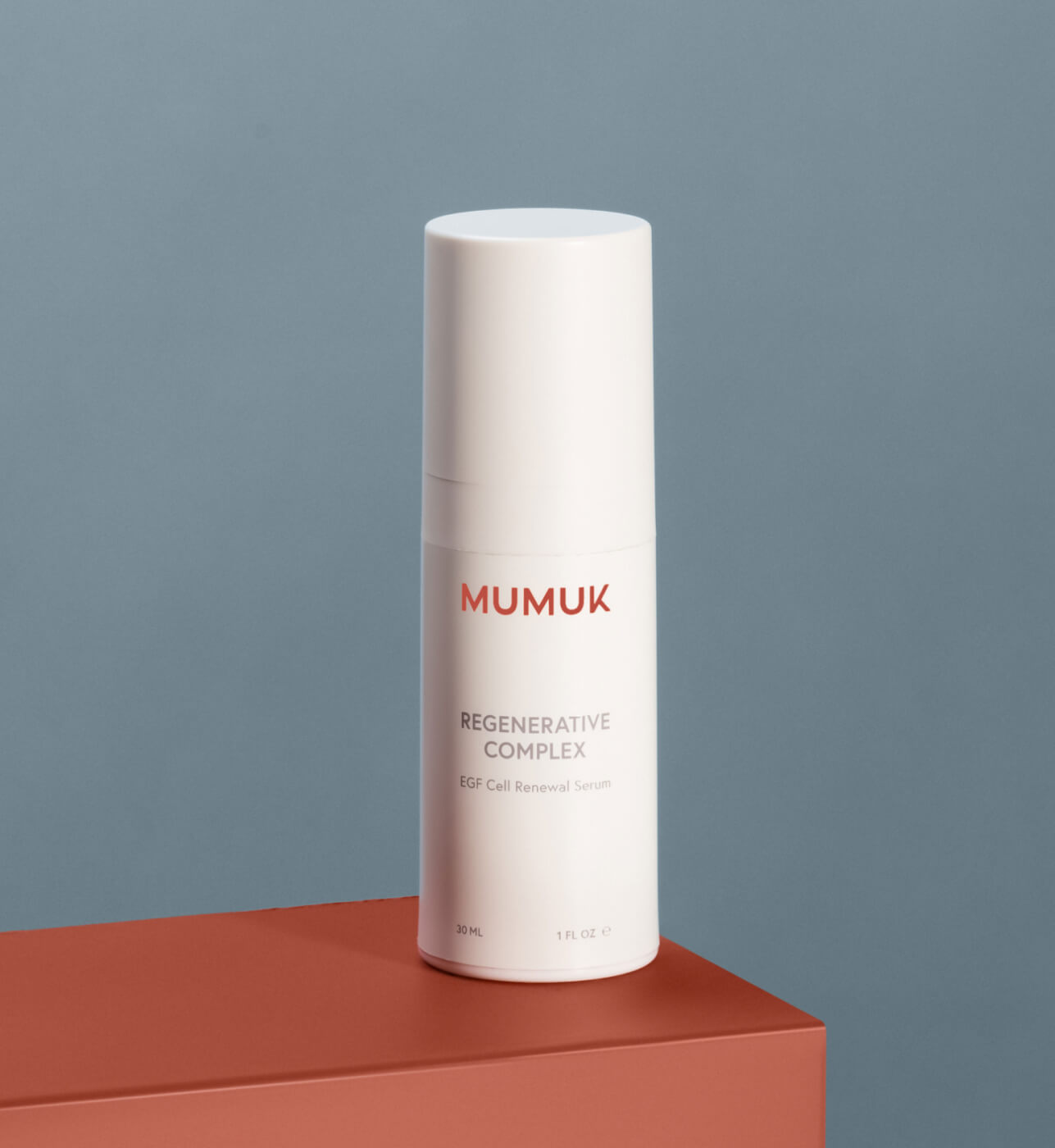
MUMUK’s Regenerative Complex pairs bioengineered EGF with multiple peptides and a calming postbiotic blend so your skin gets the benefits without irritation or downtime. It is a smarter way to support renewal at any age and any sensitivity level.
Your skin does not need more pressure. It needs better instruction.