Article: What Are Peptides and What Do They Actually Do for Your Skin?
What Are Peptides and What Do They Actually Do for Your Skin?
What Are Peptides in Skincare? Benefits, Types, and How to Use Them
Peptides have become one of skincare's favorite flexes. The word appears on serums, moisturizers, eye creams, and just about anything promising firmer-looking skin. That does not mean every peptide product does the same thing, or that the word alone tells you whether a formula is worth buying.
The more useful questions are: Which peptides are in it? What are they intended to do? How are they formulated? And is there evidence behind the finished product?
What are peptides in skincare?
Peptides are short chains of amino acids, the building blocks used to make proteins such as collagen, elastin, and keratin. In skincare, selected peptides are used to support processes associated with firmness, smoother texture, hydration, and a calmer-looking complexion.
That is the quick answer. The more honest answer is that peptides are a category, not one interchangeable ingredient. Different amino acid sequences have different jobs. A peptide's size, stability, delivery system, concentration, and surrounding formula all influence what it can realistically do on skin.
In other words, "contains peptides" is a starting point, not a verdict.
What do peptides do for skin?
Some topical peptides act as messengers. They interact with skin pathways involved in functions such as collagen support, barrier maintenance, and the visible response to irritation. Others are designed to carry minerals, limit processes that break down structural proteins, or soften the look of expression lines.
The important word is some. It is not accurate to say that every peptide tells skin to produce collagen or that all peptides penetrate skin equally well.
This is where skincare marketing often gets ahead of the formula. A peptide can have an interesting biological mechanism in a laboratory without automatically producing a dramatic result in a finished face serum. Delivery matters. Stability matters. Consistent use matters. The rest of the formula matters too.
The four main types of peptides used in skincare
Peptides are commonly grouped by how they are intended to work.
1. Signal peptides
Signal peptides are designed to support communication involved in the production or preservation of structural components such as collagen. Palmitoyl tripeptide-5, found in MUMUK's Regenerative Complex, belongs in this category and helps support firmer, smoother-looking skin.
2. Neurotransmitter-inhibiting peptides
These peptides are formulated to soften the appearance of expression lines by influencing signals associated with repetitive facial movement. Acetyl hexapeptide-8, also known by the trade name Argireline, is the best-known example.
You may have heard it called "Botox in a bottle." That nickname is catchy, but a topical serum is not an injectable neurotoxin and should not be expected to create the same result. The realistic goal is a softer appearance of expression lines with consistent use.
3. Carrier peptides
Carrier peptides bind to and transport trace elements, such as copper, that play a role in normal skin functions. GHK-Cu is the most familiar example, although not every peptide formula contains a carrier peptide.
4. Enzyme-inhibiting peptides
These peptides are designed to help limit the activity of enzymes involved in the breakdown of collagen and other components of the skin's support structure. Their role is more about preservation than rapid transformation.
These categories are useful for understanding intent, but they are not proof that every product containing a given peptide will deliver the same result.
What benefits can peptide skincare provide?
Depending on the specific peptide and formula, consistent use may help improve the appearance of:
-
Fine lines and wrinkles
-
Firmness and elasticity
-
Rough or uneven texture
-
Dehydrated or less resilient skin
-
Visible redness or discomfort
Peptides tend to be supportive rather than exfoliating. They do not create the immediate surface smoothness of an acid. Their value is cumulative and tied to continued use.
The research is promising, but it is not flawless. A 2026 systematic review and meta-analysis found modest improvements across several signs of skin aging, while also noting that only two high-quality topical peptide studies met its criteria. Peptide type and formulation varied considerably across the research.
Translation: peptides are worth taking seriously. They are not worth mythologizing.
Curious how peptides compare with other popular skincare actives? Read our guide to EGF vs. retinol vs. peptides.
How long do peptides take to work?
There is no universal peptide timeline. Clinical studies often evaluate topical formulas over four to twelve weeks, but results depend on the peptide, the concentration, the delivery system, the other ingredients, and what is being measured.
Hydration and surface smoothness may appear sooner because those effects can also come from humectants, emollients, and other supporting ingredients in the formula. Changes in the appearance of firmness or fine lines generally require more patience.
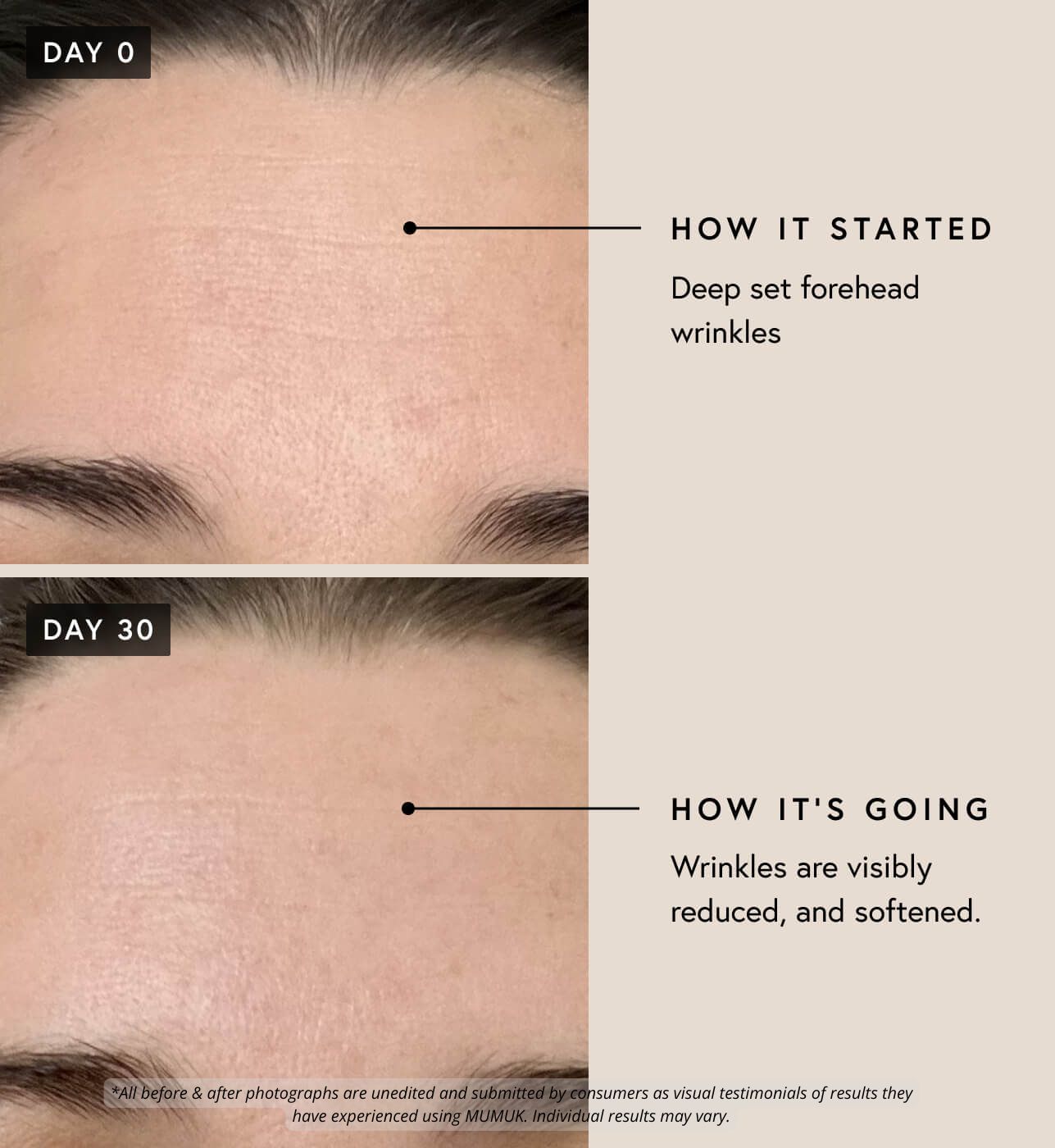
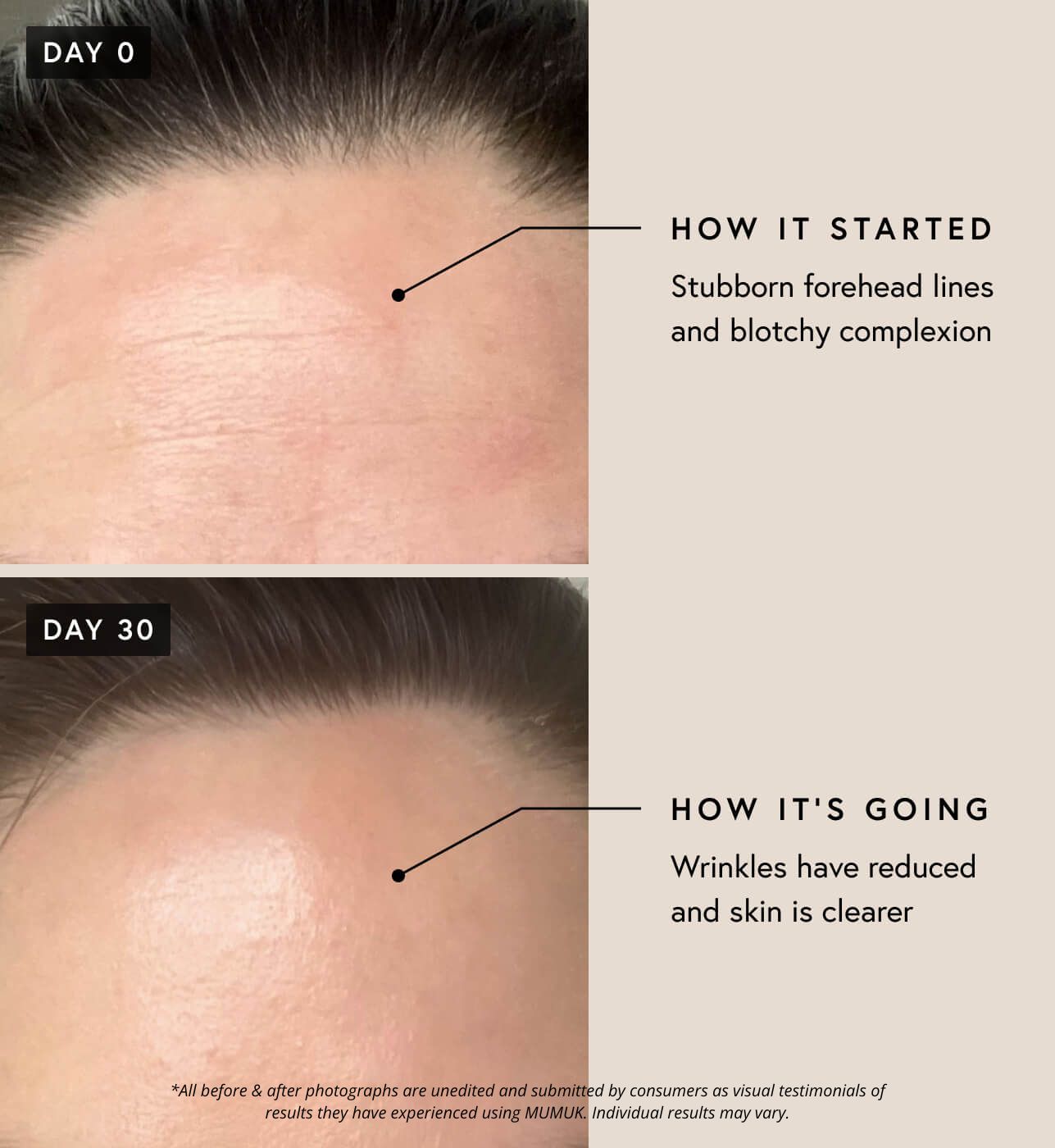
A fair way to evaluate a peptide serum is to use it as directed for at least eight weeks, take photos in the same lighting, and pay attention to how your skin looks and feels rather than expecting a single dramatic reveal.
How to use a peptide serum
Most peptide serums are easy to work into a routine:
-
Cleanse and gently dry your skin.
-
Apply the recommended amount of peptide serum.
-
Follow with moisturizer.
-
Finish with broad-spectrum sunscreen in the morning.
Use the product once or twice daily according to its directions. Peptides usually pair well with hydrating ingredients and antioxidants. If your skin is reactive, introduce one new product at a time so it is easier to identify irritation.
More is not more. Follow the formula's directions rather than turning your face into a chemistry group project.
How to choose a peptide product
Ignore the loudest word on the front of the bottle for a moment and look for a few more meaningful signals.
Named peptides
A transparent ingredient list should identify the actual peptides, such as palmitoyl tripeptide-5 or acetyl hexapeptide-8, rather than relying only on a vague "peptide complex" claim.
A well-designed leave-on formula
Peptides make more sense in a serum or moisturizer that remains on the skin than in a cleanser that is rinsed away. The complete formula should also support hydration, stability, and skin comfort.
Finished-product testing
Ingredient research is useful, but testing the finished formula is more relevant to the bottle you are actually applying. When a brand shares results, look for the study length, number of participants, method of use, and whether the results are clinical measurements or consumer perceptions.
Realistic claims
Be suspicious of promises that a topical peptide will erase wrinkles, rebuild all lost collagen, or perform exactly like an injectable. Good skincare can do meaningful work without auditioning for science fiction.
The peptides in MUMUK's Regenerative Complex
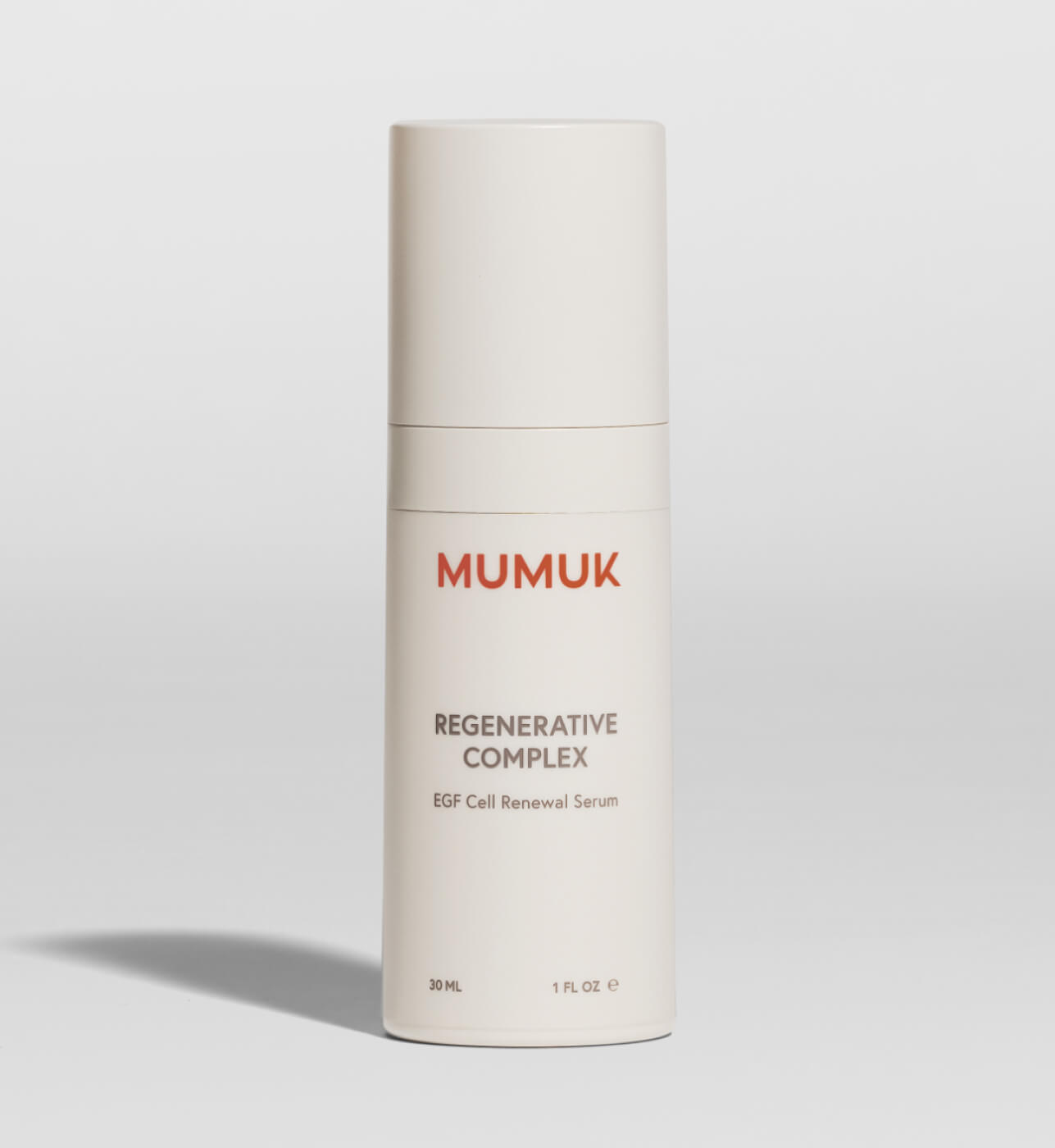
MUMUK's Regenerative Complex combines three complementary peptides with bioengineered EGF, bakuchiol, ferments, antioxidants, and hydrating ingredients:
-
Palmitoyl tripeptide-5 helps support collagen-related pathways associated with firmer, smoother-looking skin.
-
Acetyl hexapeptide-8 helps soften the appearance of expression lines.
-
Acetyl tetrapeptide-40 helps support a calmer, more even-looking complexion.
The point is not to make one peptide carry the entire formula. Each active has a defined role, and the formula is designed to support visible renewal from more than one angle without unnecessary irritation or downtime.
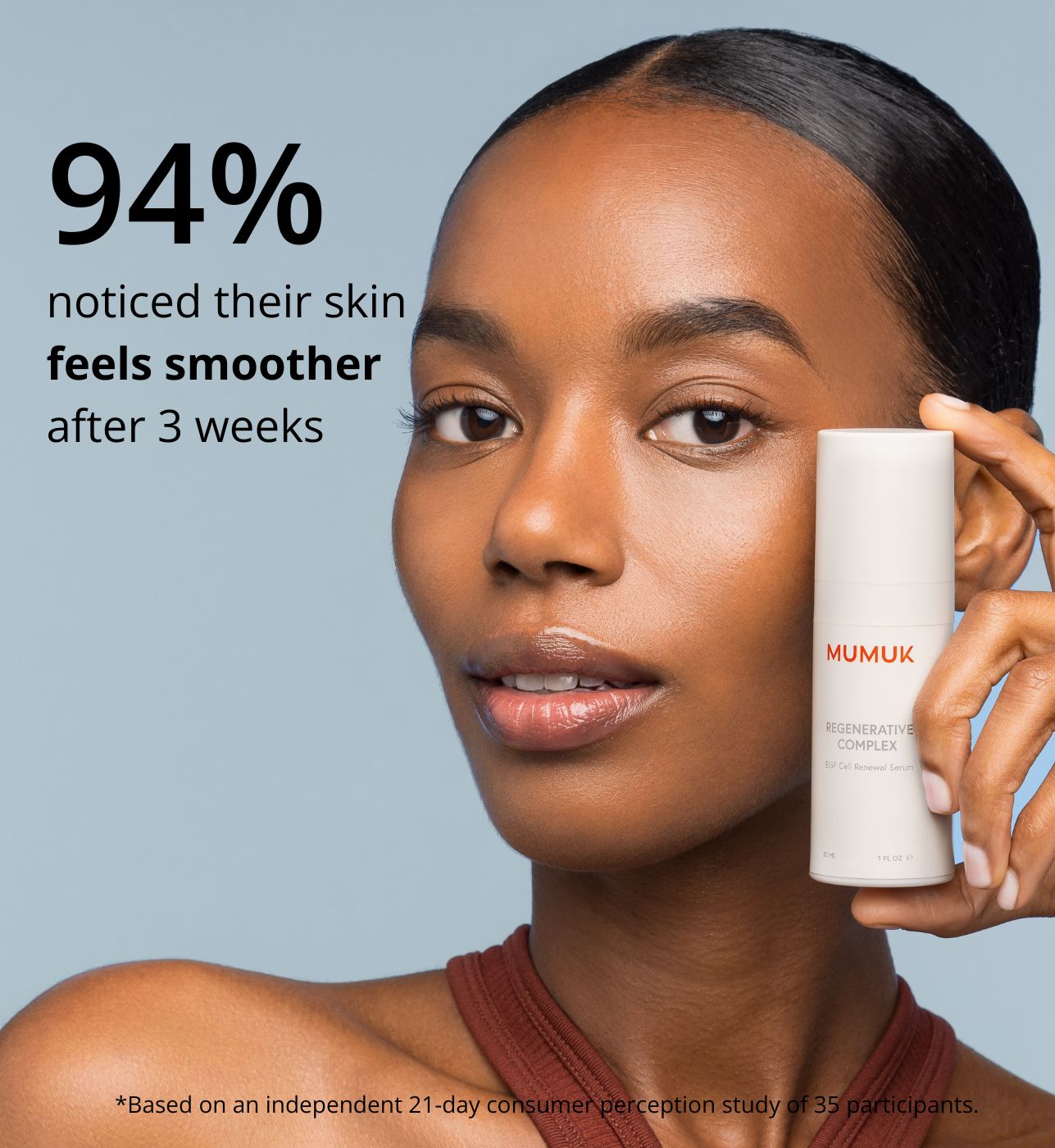
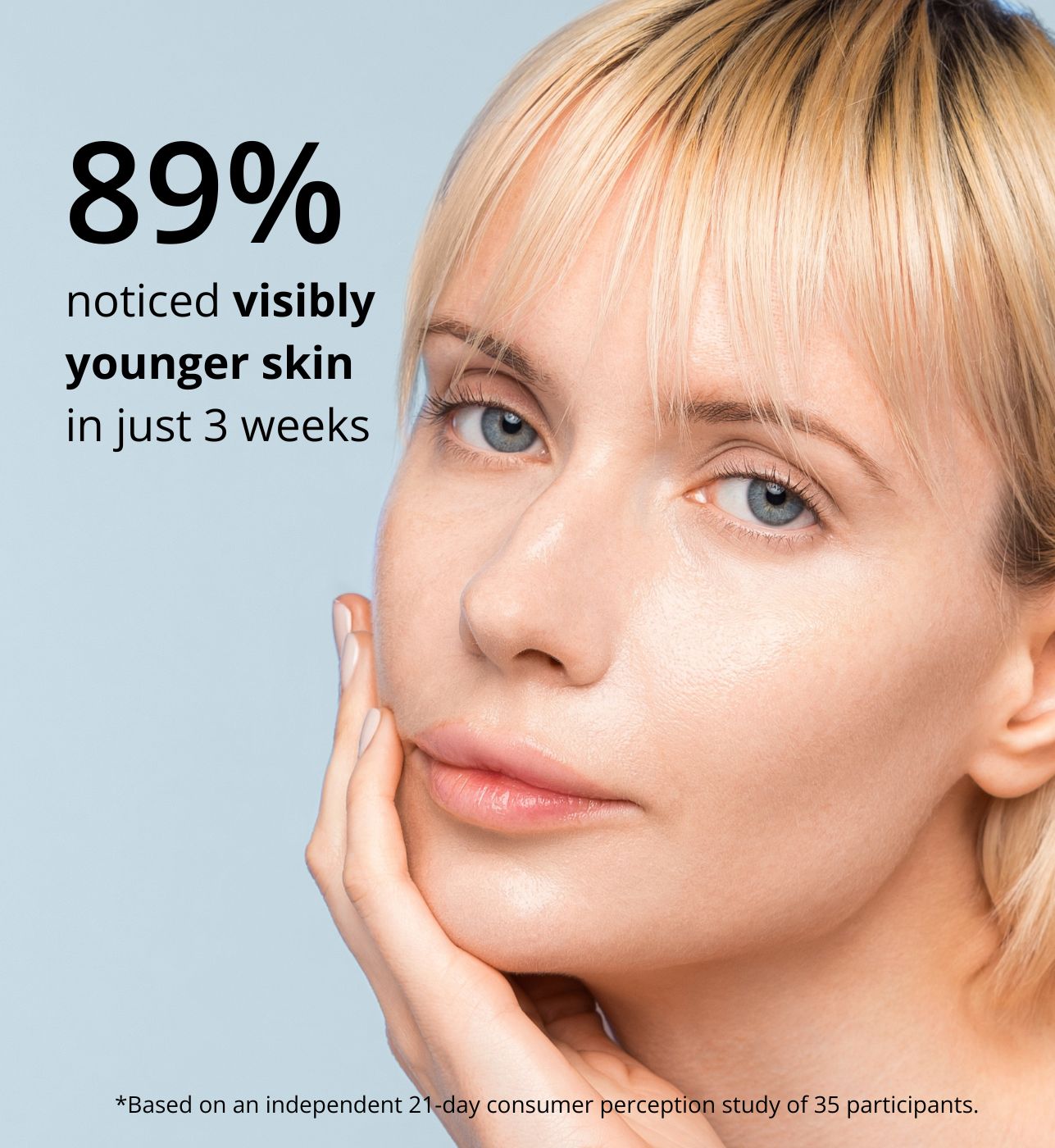
In an independent 21-day consumer study of 35 participants using Regenerative Complex twice daily, 94% said their skin felt smoother and 91% reported improved texture and hydration. These are consumer-reported results for the complete formula, not results attributed to one peptide alone.
Frequently asked questions about peptides
Can you use peptides every day?
Yes, most topical peptide products are designed for daily use. Follow the directions for the specific formula and reduce frequency if your skin becomes irritated.
Are peptides good for sensitive skin?
Many peptide formulas are well tolerated because peptides are not exfoliating acids. Still, sensitivity depends on the entire formula. Fragrance, preservatives, botanical extracts, and other actives can affect tolerance, so patch testing remains useful.
Are peptides safe to use during pregnancy?
Pregnancy suitability should be assessed using the complete ingredient list, not one ingredient category. If you are pregnant or breastfeeding, share the full formula with your healthcare provider, especially if you have been given specific skincare restrictions.
Are peptide serums better than peptide moisturizers?
Not automatically. A serum may offer a lighter texture and fit easily under moisturizer, while a peptide moisturizer can combine treatment and barrier support. The specific peptides, formula quality, testing, and consistent use matter more than the product label.
Where peptides belong in a smart routine
Peptides are not the only ingredients that matter, and they are not mandatory for every person. Daily sunscreen, gentle cleansing, and adequate moisture remain the foundation.
But if your goal is to support firmer, smoother, more resilient-looking skin without relying entirely on aggressive actives, a well-formulated peptide serum is a smart addition. Choose the formula, not the buzzword.